
Manok na nangingitlog
Egg layer cost & profit calculator
Keeping laying hens, or thinking of starting? See how many eggs and trays your flock should give, what the pullets, feed and care will cost, your cost per egg and per tray, and the profit per hen and per month.
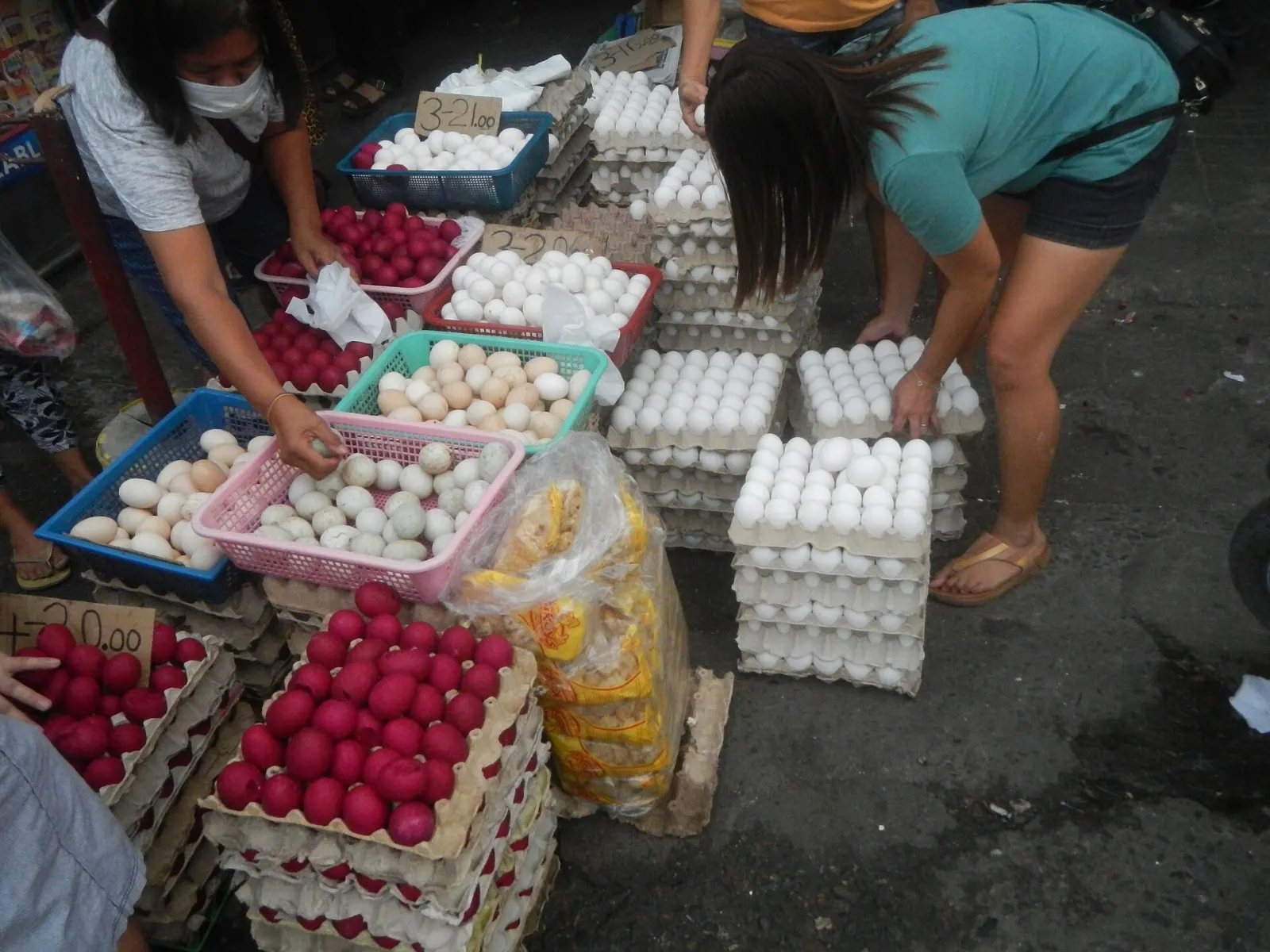
Eggs for sale at a market in Bulacan. Photo: Judgefloro, CC0 1.0, via Wikimedia Commons

Your estimate for the laying period
One day at the start of lay
- Eggs400 · 13.1 trays
- Feed55.0 kg · ₱1,760
- Egg value₱2,875
- Eggs laid
- 139,776 in 364 days
- Eggs to sell
- 136,980 · 4,566 trays of 30
- Hens at the end
- 460 of 500
- Feed for the period
- 19.22 t · 384 bags of 50 kg
- Feed per tray of eggs
- 4.21 kg
- Pullets
- ₱150,000
- Feed
- ₱615,014
- Health and other costs
- ₱64,903
- Total cost
- ₱829,917
- Egg sales
- ₱1,004,524
- Cull hens sold
- ₱69,000
- Income
- ₱1,073,524
- Cost per egg
- ₱5.55 · ₱166.65 a tray
- Profit per hen placed
- ₱487.21
- Return on cost
- 29.4%
What if things change?
| Price | Profit |
|---|---|
| ₱200.00 −20 | ₱152,286 |
| ₱210.00 −10 | ₱197,946 |
| ₱220.00 (yours) | ₱243,606 |
| ₱230.00 +10 | ₱289,266 |
| ₱240.00 +20 | ₱334,927 |
| Lay rate | Profit |
|---|---|
| 70.0% −10 pts | ₱118,041 |
| 75.0% −5 pts | ₱180,824 |
| 80.0% (yours) | ₱243,606 |
| 85.0% +5 pts | ₱306,389 |
How we work it out
- Hens and days: weeks of lay × 7 = days. Hens lost are spread evenly over the period, so the flock averages pullets × (1 − half the % lost).
- Eggs: average hens × days × lay rate = eggs laid; take off the cracked or rejected eggs and divide by 30 for the trays you sell.
- Feed: average hens × days × grams per hen a day. Total cost = pullets + feed × your feed price + health for every hen placed + other costs for every hen each month.
- Profit: trays × your tray price + hens left × your cull price, minus the total cost. Cost per egg = (total cost − cull hen sales) ÷ eggs sold.
An estimate only, made from the numbers you type: real lay rates rise to a peak in the first months and then slowly fall, and feed use, deaths, egg sizes and prices vary with the breed, feed, house, weather and disease. Use your average lay rate for the whole period, not the peak. The cost of raising pullets yourself, the house, cages and equipment is not counted unless you add it under other costs. Check figures with your feed supplier, veterinarian or municipal agriculture office before you invest. Nothing you type is stored or sent anywhere. Raising meat chickens? Use the broiler calculator. Keeping ducks for eggs, balut or salted eggs? Use the itik calculator.
Healthy hens, steady eggs
A laying flock is a long commitment: one disease outbreak or a few weeks of stress can cut the lay rate for months. These everyday habits protect your hens and your neighbors' flocks - bayanihan starts at the poultry house door.
- Keep visitors out. Only the people who work the house go in, with house-only boots and clothes and a footbath at the door. Egg buyers collect trays outside, not inside the house.
- Keep wild birds and backyard chickens apart from your layers: close gaps in nets and walls, and store feed where birds and rats cannot reach it.
- Vaccinate on schedule. Follow the program your veterinarian or pullet grower gives you, and write down every dose and every day’s egg count: a sudden drop is often the first sign of trouble.
- Feed a proper layer ration. Laying hens need extra calcium for strong shells. Stretching layer feed with plain corn or rice bran cuts the lay rate and gives thin, cracked shells.
- Keep the light steady. Hens lay best on a regular day length. Do not let the hours of light get shorter during lay; ask your vet or feed supplier how many hours your breed needs.
- Beat the heat in tag-araw. Give cool, clean water all the time, keep air moving and do not overcrowd cages. Heat stress shows quickly as smaller eggs and thinner shells.
- Report many sudden deaths at once to your municipal or city veterinarian or agriculture office. Bird flu (avian influenza) must be reported. Do not sell sick or dead birds; follow your vet’s advice on disposal.
- Get ready for typhoons. Check the roof and walls before the season, keep feed dry and off the floor, plan for power cuts and ask the PCIC whether your flock can be insured.
General guidance only, not veterinary advice. Official information: the Bureau of Animal Industry (BAI), the Department of Agriculture and the Philippine Crop Insurance Corporation (PCIC). Find your local office in our farm help directory.
Selling your eggs
Eggs are sold every day, so small habits add up over a year of lay:
- Collect often - at least twice a day, more in hot weather - so fewer eggs are cracked, dirty or spoiled.
- Sort by size. Buyers pay by size, from small up to extra large and jumbo. Use your average price across all sizes in the calculator, and watch how the size mix changes as the hens get older.
- Keep eggs clean, dry and cool, out of the sun, and sell the oldest trays first. Dry-clean light dirt rather than soaking eggs in water.
- Know your break-even tray price (shown above) before you agree a price with a trader or store, and keep a simple record of trays sold and prices each week.
- Sell together. Small producers in a barangay or cooperative can pool eggs to fill bigger orders and share transport - bayanihan in business.
- Plan the money. Ask government farm lenders such as the Landbank or the ACPC about farm loan programs; see our farm help directory.
Typhoon season?
Our free typhoon and flood farm checklist covers animals, feed, power and buildings, step by step.