Kunin ang libreng REALM Philippines app

Wala pang salin sa Filipino ang pahinang ito, kaya nasa Ingles muna ito.

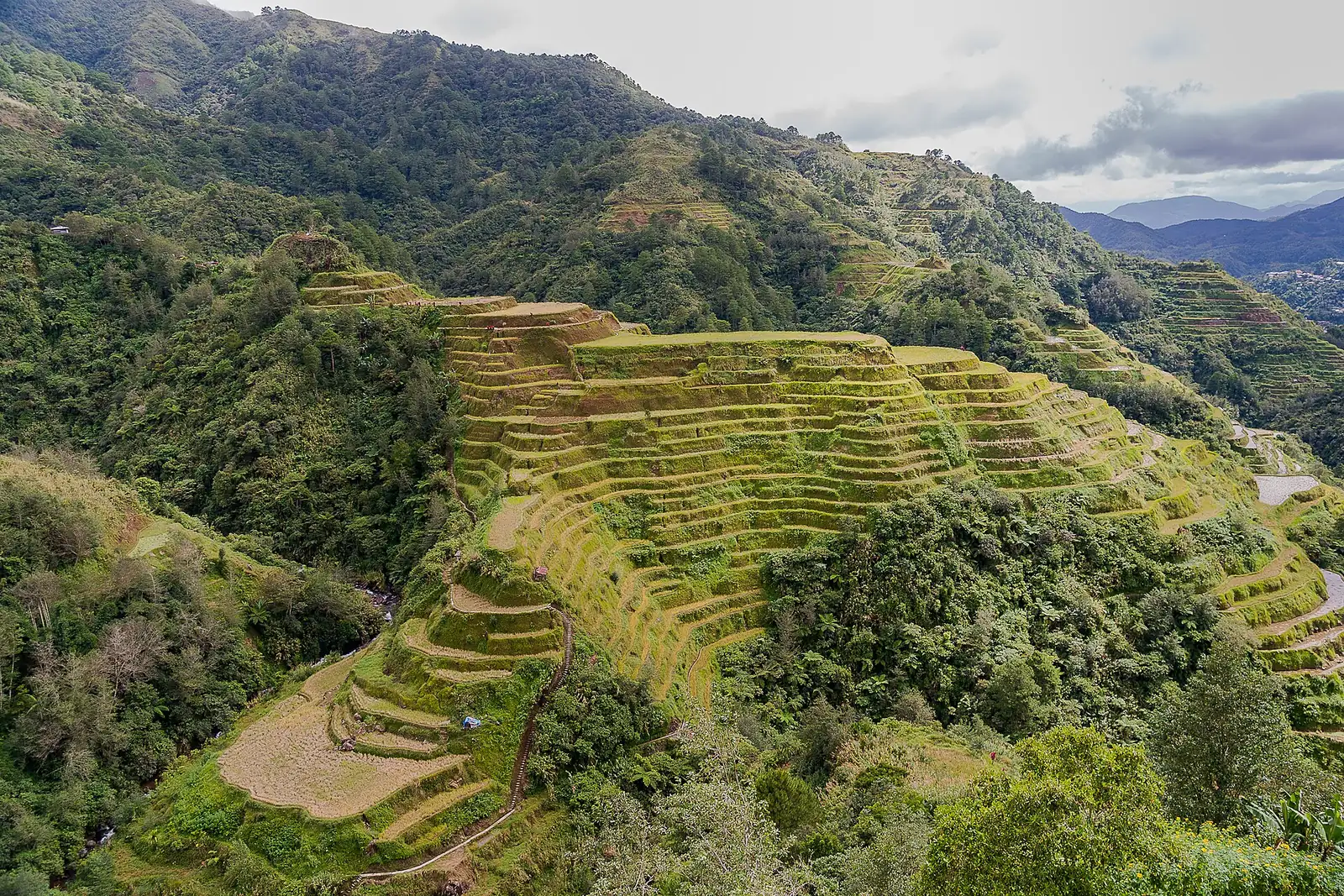
Green rice terraces climbing a forested mountainside in Banaue, Ifugao

Mula Batanes hanggang Tawi-Tawi

Philippines regional farm guide

Luzon, the Visayas and Mindanao: all 18 regions and 82 provinces, what they grow, their weather and typhoon risk, and where to find official help.

Banaue Rice Terraces, Ifugao. Photo: CEphoto, Uwe Aranas, CC BY-SA 3.0, via Wikimedia Commons

Island group

Luzon

The largest island group in the north: Metro Manila, the Cordillera, the great rice plains of Central Luzon and Cagayan Valley, Bicol, and the island provinces of MIMAROPA, including Palawan.

NCR

National Capital Region (Metro Manila)

Manila

  • Metro Manila (16 cities and 1 municipality)

Known for

  • The country’s biggest market for farm produce
  • Urban and rooftop gardening, community gardens
  • Food terminals, wet markets and food processing

Weather

Dry from about December to May, wet from about June to November (habagat rains).

Moderate typhoon exposure. Floods from heavy monsoon rain and typhoons are the main risk.

Languages you’ll hear: Filipino (Tagalog), English and many others

Tip: Selling into Metro Manila? Plan transport and cold storage around the rainy season, when roads can flood.

CAR

Cordillera Administrative Region

Baguio City

  • Abra
  • Apayao
  • Benguet
  • Ifugao
  • Kalinga
  • Mountain Province

Known for

  • Highland vegetables such as cabbage, carrots, potatoes and lettuce (Benguet)
  • Heirloom rice grown on the ancient rice terraces
  • Arabica coffee, strawberries and cut flowers

Weather

Cooler highlands. Dry from about November to April, wet from about May to October; heavy rain brings landslide risk.

Moderate typhoon exposure. Typhoon rain on steep slopes can cause landslides and cut roads.

Languages you’ll hear: Ilocano, Kankanaey, Ibaloi, Ifugao, Kalinga and other Cordilleran languages, Filipino

Tip: The Rice Terraces of the Philippine Cordilleras are a UNESCO World Heritage Site and ancestral land - respect local customs and Indigenous Peoples’ rights.

Crop calendar for this region

Region I

Ilocos Region

San Fernando City, La Union

  • Ilocos Norte
  • Ilocos Sur
  • La Union
  • Pangasinan

Known for

  • Rice and corn
  • Tobacco, garlic, onions and other vegetables
  • Mangoes, and milkfish (bangus) ponds and salt making in Pangasinan

Weather

A clear dry season from about November to April and a wet season from about May to October.

Higher typhoon exposure. Typhoons crossing northern Luzon and strong habagat rain.

Languages you’ll hear: Ilocano, Pangasinan, Filipino

Tip: The long dry season suits garlic, onions and tobacco after the rice harvest - plan irrigation early.

Crop calendar for this region

Region II

Cagayan Valley

Tuguegarao City

  • Batanes
  • Cagayan
  • Isabela
  • Nueva Vizcaya
  • Quirino

Known for

  • Rice and yellow corn on the wide valley floor (Isabela, Cagayan)
  • Citrus and vegetables in Nueva Vizcaya
  • Cattle and root crops in Batanes

Weather

Mostly a short dry season; rain through much of the year, heaviest during the typhoon months.

Higher typhoon exposure. One of the most typhoon-exposed parts of the country; the Cagayan River floods.

Languages you’ll hear: Ilocano, Ibanag, Itawis, Ivatan, Filipino

Tip: Dry and store corn and palay above flood level before the peak typhoon months.

Crop calendar for this region

Region III

Central Luzon

San Fernando City, Pampanga

  • Aurora
  • Bataan
  • Bulacan
  • Nueva Ecija
  • Pampanga
  • Tarlac
  • Zambales

Known for

  • Rice - often called the country’s rice granary (Nueva Ecija)
  • Onions, vegetables and sugarcane (Tarlac)
  • Poultry, hogs and fishponds (Pampanga, Bulacan)

Weather

A clear dry season from about November to April and a wet season from about May to October.

Moderate typhoon exposure. Typhoons plus habagat floods on the low plains; Aurora faces the Pacific.

Languages you’ll hear: Tagalog, Kapampangan, Ilocano, Sambal, Filipino

Tip: Two rice crops a year are common where there is irrigation - use our Palay calculator at harvest.

Crop calendar for this region

Region IV-A

CALABARZON

Calamba City

  • Cavite
  • Laguna
  • Batangas
  • Rizal
  • Quezon

Known for

  • Coconut (Quezon)
  • Coffee, including Batangas barako, and cattle
  • Poultry, hogs, pineapple and vegetables; fish farming in Laguna de Bay and Taal Lake

Weather

Mostly dry from about November to April on the western side; the Quezon Pacific side gets rain most of the year.

Moderate typhoon exposure. Typhoons and floods; volcanic activity near Taal is a separate hazard (PHIVOLCS).

Languages you’ll hear: Tagalog, Filipino

Tip: Close to Metro Manila markets - fresh produce and livestock can reach buyers the same day.

Crop calendar for this region

MIMAROPA

MIMAROPA Region

Calapan City

  • Occidental Mindoro
  • Oriental Mindoro
  • Marinduque
  • Romblon
  • Palawan

Known for

  • Rice (Occidental and Oriental Mindoro)
  • Calamansi and bananas (Oriental Mindoro)
  • Coconut, cashew and seaweed (Palawan)

Weather

Western Mindoro and Palawan have a clear dry season (about November to April); eastern Mindoro and Marinduque get rain most of the year.

Moderate typhoon exposure. Typhoons cross Mindoro and Romblon; southern Palawan is hit less often.

Languages you’ll hear: Tagalog, Cuyonon, Romblomanon, Mangyan languages, Filipino

Tip: Island farms rely on boats: build extra days into shipping plans when PAGASA raises gale warnings.

Crop calendar for this region

Region V

Bicol Region

Legazpi City

  • Albay
  • Camarines Norte
  • Camarines Sur
  • Catanduanes
  • Masbate
  • Sorsogon

Known for

  • Coconut and abaca (Catanduanes is known for abaca)
  • Pili nuts
  • Rice (Camarines Sur) and cattle (Masbate)

Weather

The eastern side has no real dry season and heavy rain from about November to January.

Higher typhoon exposure. Faces the Pacific - among the most often hit by strong typhoons; Mayon Volcano is a separate hazard.

Languages you’ll hear: Bikol languages, Masbatenyo, Filipino

Tip: Plant wind-tolerant crops and keep seed and fertilizer stored high and dry all year.

Crop calendar for this region

Island group

Visayas

The central islands: Panay, Negros, Cebu, Bohol, Leyte and Samar - rice, sugarcane, coconut, corn, mangoes and a lot of fishing and seaweed farming.

Region VI

Western Visayas

Iloilo City

  • Aklan
  • Antique
  • Capiz
  • Guimaras
  • Iloilo

Known for

  • Rice (Iloilo)
  • Mangoes (Guimaras)
  • Fishponds and seafood (Capiz), piña fiber and abaca (Aklan)

Weather

The western side has a clear dry season (about November to April); the east is wetter.

Moderate typhoon exposure. Typhoons cross Panay; floods on the river plains.

Languages you’ll hear: Hiligaynon (Ilonggo), Kinaray-a, Aklanon, Capiznon, Filipino

Tip: Guimaras protects its mango crop with strict rules on bringing in mangoes - check before you carry fruit across.

Crop calendar for this region

NIR

Negros Island Region

Regional offices in Bacolod City and Dumaguete City

  • Negros Occidental
  • Negros Oriental
  • Siquijor

Known for

  • Sugarcane - Negros is known as the country’s sugar bowl
  • Rice, corn and coconut
  • Organic farming and fish and shrimp ponds

Weather

The west (Negros Occidental) has a clear dry season; the east and Siquijor get rain more evenly through the year.

Moderate typhoon exposure. Typhoons and floods; Kanlaon Volcano is a separate hazard (PHIVOLCS).

Languages you’ll hear: Hiligaynon, Cebuano, Filipino

Tip: The newest region (2024). Some offices are still moving, so check with your municipal agriculture office which regional office serves you.

Crop calendar for this region

Region VII

Central Visayas

Cebu City

  • Bohol
  • Cebu

Known for

  • Corn - a staple food for many families here
  • Mangoes (Cebu), rice (Bohol)
  • Hogs, goats, cattle and seaweed farming

Weather

Dry season not very pronounced; drier from about November to April.

Moderate typhoon exposure. Typhoons pass, and the 2013 Bohol earthquake is a reminder of other hazards.

Languages you’ll hear: Cebuano (Bisaya), Boholano, Filipino

Tip: Thin, rocky soils in parts of Cebu and Bohol reward mulching and soil conservation on slopes.

Crop calendar for this region

Region VIII

Eastern Visayas

Tacloban City

  • Biliran
  • Eastern Samar
  • Leyte
  • Northern Samar
  • Samar
  • Southern Leyte

Known for

  • Coconut
  • Abaca and root crops
  • Rice and fishing

Weather

Rain spread through the year on the Pacific side, heaviest from about November to January.

Higher typhoon exposure. Faces the Pacific; Typhoon Yolanda (Haiyan, 2013) showed how deadly storm surge can be.

Languages you’ll hear: Waray, Cebuano, Filipino

Tip: Learn your storm-surge evacuation route and move animals inland early when a storm is coming.

Crop calendar for this region

Island group

Mindanao

The large southern island group: bananas, pineapples, coconut, corn, rubber, cacao and tuna, and the Bangsamoro autonomous region.

Region IX

Zamboanga Peninsula

Pagadian City

  • Zamboanga del Norte
  • Zamboanga del Sur
  • Zamboanga Sibugay
  • Sulu

Known for

  • Coconut and rubber
  • Rice and corn
  • Seaweed, fishing and sardines (Zamboanga City), fruit trees in Sulu

Weather

Rain spread fairly evenly through the year.

Lower typhoon exposure. South of the main typhoon belt, but floods and the odd storm still hit.

Languages you’ll hear: Chavacano, Cebuano, Subanen, Tausug, Filipino

Tip: Sulu is listed under Region IX by the PSA after the 2024 Supreme Court ruling; check which regional office serves you.

Crop calendar for this region

Region X

Northern Mindanao

Cagayan de Oro City

  • Bukidnon
  • Camiguin
  • Lanao del Norte
  • Misamis Occidental
  • Misamis Oriental

Known for

  • Pineapple, banana, corn and sugarcane on the Bukidnon plateau
  • Highland vegetables, coffee and cattle
  • Lanzones (Camiguin), poultry and hogs

Weather

Rain spread through the year; the Bukidnon highlands are cooler.

Lower typhoon exposure. Typhoons are less frequent, but tropical storms have caused deadly flash floods (Sendong, 2011).

Languages you’ll hear: Cebuano (Bisaya), Binukid, Maranao, Filipino

Tip: Watch flash-flood warnings for rivers coming off the mountains, even when your own farm is dry.

Crop calendar for this region

Region XI

Davao Region

Davao City

  • Davao de Oro
  • Davao del Norte
  • Davao del Sur
  • Davao Occidental
  • Davao Oriental

Known for

  • Bananas, including export Cavendish plantations
  • Durian, pomelo, mangosteen and cacao
  • Coconut, and fishing in the Davao Gulf

Weather

Rain spread through the year, without a long dry season.

Lower typhoon exposure. Typhoons are rare but can be devastating (Pablo/Bopha, 2012, Davao Oriental and Davao de Oro).

Languages you’ll hear: Cebuano (Bisaya), Davawenyo, Mandaya, Filipino

Tip: Fruit growers here plant for year-round markets - check with your municipal agriculture office about local buying stations.

Crop calendar for this region

Region XII

SOCCSKSARGEN

Koronadal City

  • Cotabato
  • Sarangani
  • South Cotabato
  • Sultan Kudarat

Known for

  • Pineapple and banana plantations (South Cotabato)
  • Rice, corn, rubber and coconut
  • Tuna fishing and processing in General Santos City

Weather

Rain spread through the year; some valleys are drier.

Lower typhoon exposure. Few typhoons, but floods along the Mindanao River basin and El Niño dry spells.

Languages you’ll hear: Cebuano, Hiligaynon, Maguindanaon, T’boli and other languages, Filipino

Tip: During El Niño years, plan for dry spells: smaller plantings, water storage and drought-tolerant varieties.

Crop calendar for this region

Region XIII

Caraga

Butuan City

  • Agusan del Norte
  • Agusan del Sur
  • Dinagat Islands
  • Surigao del Norte
  • Surigao del Sur

Known for

  • Oil palm and rubber (Agusan)
  • Rice, coconut and bananas
  • Fishing and seaweed on the coast

Weather

Very wet on the Pacific side, with the heaviest rain from about November to January.

Moderate typhoon exposure. The most typhoon-exposed part of Mindanao; the Agusan River basin floods.

Languages you’ll hear: Cebuano, Surigaonon, Butuanon, Manobo languages, Filipino

Tip: The wettest months are around the end of the year here - plan harvest and drying for the drier months.

Crop calendar for this region

BARMM

Bangsamoro Autonomous Region in Muslim Mindanao

Cotabato City

  • Basilan
  • Lanao del Sur
  • Maguindanao del Norte
  • Maguindanao del Sur
  • Tawi-Tawi

Known for

  • Rice and corn (Maguindanao)
  • Coconut, coffee and rubber (Basilan)
  • Seaweed farming and fishing (Tawi-Tawi); fish from Lake Lanao

Weather

Rain spread through the year; floods in the Liguasan Marsh lowlands.

Lower typhoon exposure. Few typhoons; seasonal floods are the bigger risk.

Languages you’ll hear: Maguindanaon, Maranao, Tausug, Sama, Yakan, Filipino

Tip: BARMM has its own Ministry of Agriculture, Fisheries and Agrarian Reform (MAFAR) - farm programs run through it.

Crop calendar for this region

A to Z

Every province and its region

Tap a province to jump to its region.

ABCDEGIKLMNOPQRSTZ

A

B

C

D

E

G

I

K

L

M

N

O

P

Q

R

S

T

Z

Typhoon risk

No region is typhoon-free

  • Higher typhoon exposure: Often in the path of typhoons; plan for strong winds, storm surge on the coast and flooding.
  • Moderate typhoon exposure: Typhoons pass regularly, plus heavy monsoon rain and floods.
  • Lower typhoon exposure: Typhoons are less frequent than in the north and east, but they do happen and can be very damaging, along with floods and landslides.

Open the Typhoon & flood checklist

Official sources

Where to check

General information from REALM Group Philippines, written for farmers and kept simple. Farming, weather and boundaries vary within every region and can change; regions and provinces follow the PSA’s PSGC as checked on 2 October 2026. REALM Group Philippines is not part of any government agency.